Most homeowners vet a roofer with two questions: are they licensed, and what is the price? Those matter, but they are the easy part. The things that actually separate a 20 year roof from a 3 year headache never show up on a license or a bottom line number. As a licensed general contractor and roofing company here in Southern Oregon, here is how we would tell a friend to vet anyone who wants to put a roof on their home.
Run any roofer you are considering through these five filters before you sign. They take a single conversation, and they will tell you almost everything you need to know.
01.Look Past License and Price to the Assessment
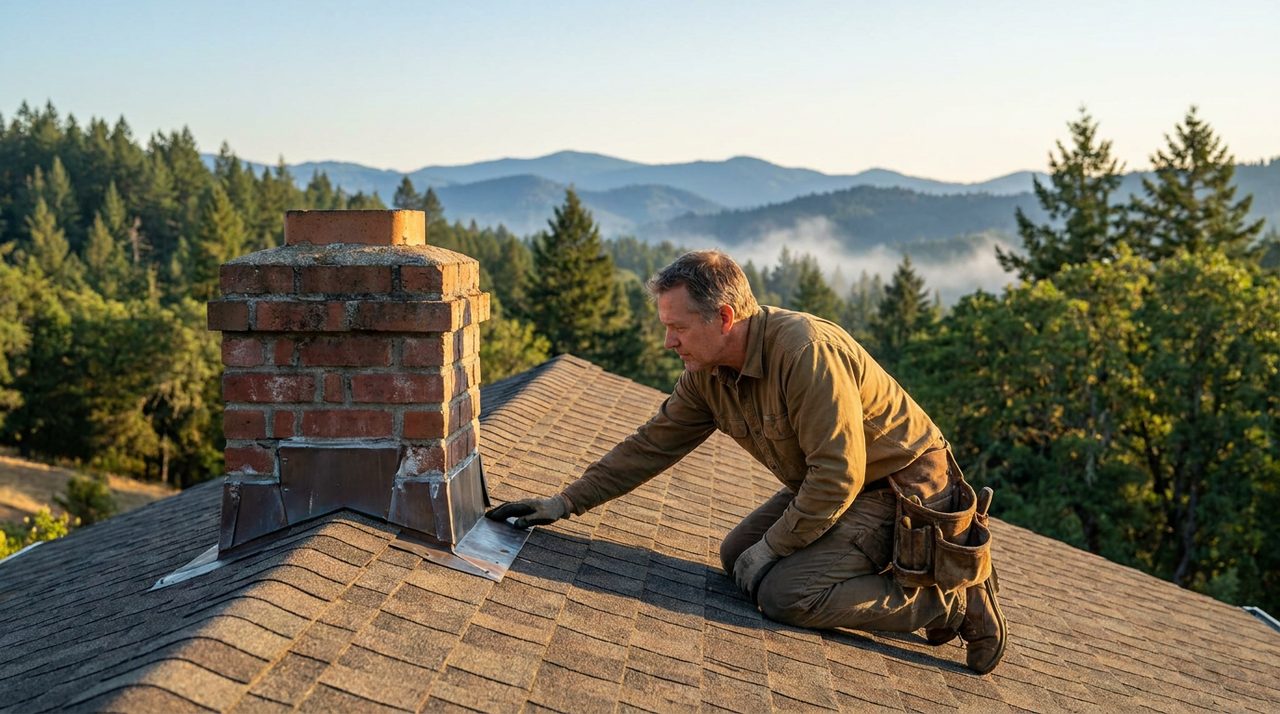
Any licensed contractor can nail down shingles. What you are really shopping for is an envelope assessment, an honest look at the health of the entire roof system. A real professional checks the things a cheap quote quietly skips: What condition is the plywood decking in? How is the attic ventilation being handled? Does the chimney flashing need a full rebuild, or just a patch?
Those invisible details are exactly what cause leaks three years later. A rock bottom number usually means somebody decided not to look at them.
If you only look at price, you are hiring for today. If you look at the assessment, you are hiring for the next 20 years.
02.The In-House Crew Advantage
Ask one simple question: does the company send its own crew, or does it hand your job to whatever subcontractor is available that week? The answer is really a question about accountability.
When a company farms work out to random subs, the crew is measured on speed and volume. They are not personally invested in your home or in the company's reputation. When the company runs its own team, the project manager, in our case Jayson, is physically on site making sure the flashing is tucked correctly, the valleys are sealed, and the job is left spotless. You do not get surprise quality. You get the consistent standard of the company you actually hired.
03.The Communication Test
Pay attention to how a contractor behaves during the bid. The biggest red flag is the drive by estimate. If someone hands you a quote without ever setting foot on your roof or poking their head into your attic to look for signs of past moisture, they are guessing.
A professional can tell you exactly what they saw, why they are recommending a specific material, and how they handle the surprises that come up mid job, like rotten decking. If they cannot explain the why behind their plan, they are quoting you a product, not a service.
04.Vet for Longevity, Not Just Reviews
Google reviews are a starting point, not the finish line. What you really want is lifecycle evidence. Ask to see photos of roofs they finished three to five years ago. Anyone can make a brand new roof look good for a photo on day one. It is much harder to show a roof that has survived a few Oregon winters and still looks watertight.
Then ask how they handle warranty claims. Is there a local office and a real point of contact, in our case Chrystal, who keeps track of your project history? You want a partner who will still be around if you need a follow up visit in five years, not a phone number that stops working after the check clears.
05.The One Question That Filters Out Patch-Job Roofers
If you ask a roofer only one thing, make it this:
"If you pull off the old roof and find water damage or rot, what is your standard protocol for structural repair?"
If the answer is some version of "we'll tell you then" or "we'll just patch it," that is your cue to keep looking. A real company has a documented process for structural repairs, has the ability to do that work or coordinate it immediately, and builds that process into the original scope. That is how you avoid the surprise emergency invoice halfway through the job.
Here is the short version to keep in your pocket when you are comparing bids:
- Make them describe what they actually inspected. Decking, ventilation, and flashing should all come up by name. If the conversation never leaves the shingles, you have your answer.
- Ask who shows up and who you call later. An in-house crew and a named point of contact mean someone owns the result long after the truck pulls away.
If you are getting bids on a roof anywhere around Myrtle Creek, Roseburg, or the wider Southern Oregon area, hold us to every one of these standards. That is exactly how we work at Custom Design LLC, and we are happy to walk your roof and your attic before you ever owe us a thing. CCB# 218862.